Cute Children’s Room Rugs: Soft, Safe & Easy to Clean
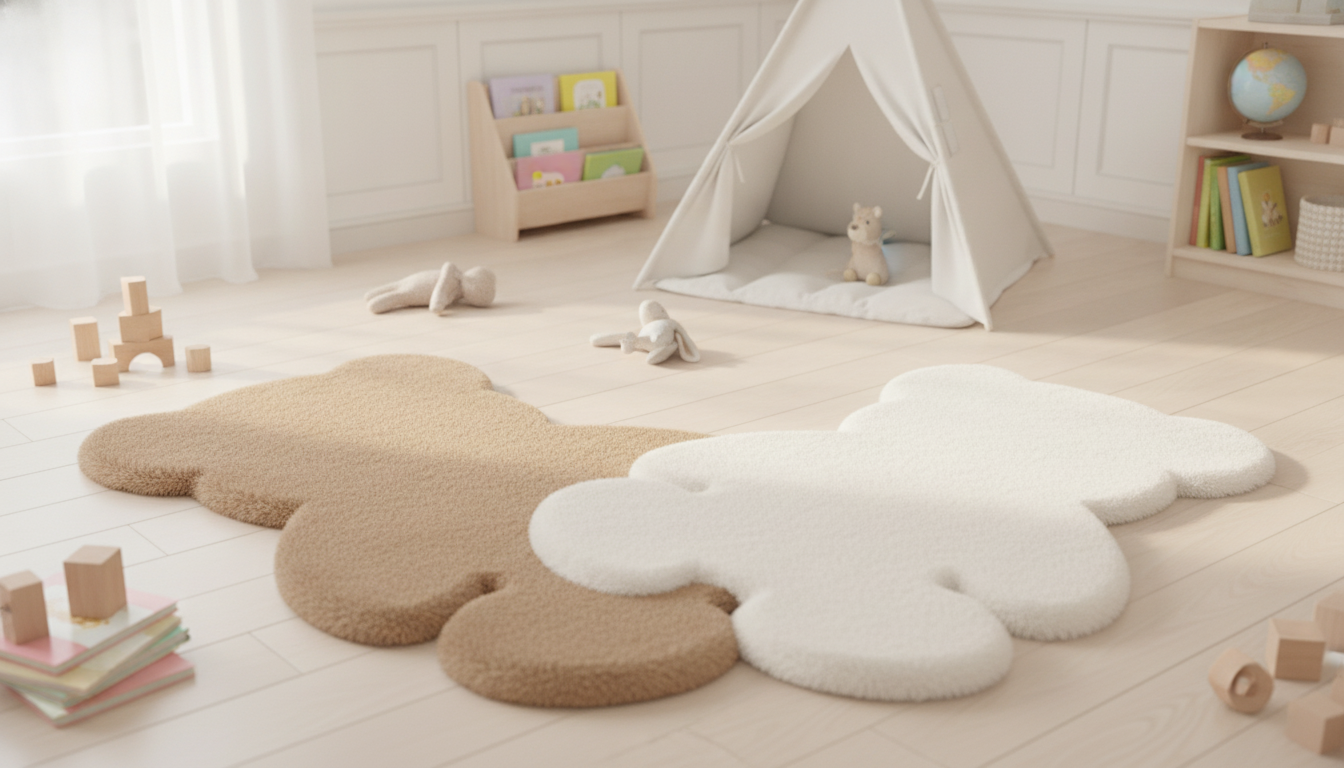
Cute Children’s Room Rugs That Make Playtime Softer and Bedrooms Brighter
A children’s rug can do more than decorate the floor. The right choice adds warmth, defines play zones, helps reduce slips, and makes a bedroom feel inviting—while still being easy to clean and gentle for little feet. Whether the room is mostly hardwood, tile, or low-pile carpet, a well-chosen rug can turn everyday routines—story time, building blocks, dress-up, and quiet reading—into a cozier experience.
What a Great Children’s Rug Does for a Room
- Creates a comfy landing spot for crawling, reading, and imaginative play.
- Helps organize the space by visually separating a play corner from a sleep or study area.
- Adds color and character without needing to repaint or buy new furniture.
- Can reduce noise and echo, especially in rooms with hard flooring.
- Provides extra traction when paired with a rug pad to help limit sliding.
For families focusing on safer, healthier play spaces, it also helps to keep the whole room environment in mind—like reducing dust buildup and choosing easy-to-clean surfaces. Helpful guidance is available from the U.S. Consumer Product Safety Commission and indoor air resources from the EPA.
Picking the Right Size and Shape
Start with a quick measurement of the zone you want to improve—then decide whether the rug should sit under furniture (to anchor the layout) or float in an open play area (to create a clear activity boundary). The best size is the one that matches how the room is actually used day to day.
- Measure the area first and decide whether the rug should sit under furniture or float in an open play zone.
- Small rugs work well beside beds, in reading nooks, or under a tiny table and chairs.
- Medium rugs can anchor a play area so toys stay within a defined boundary.
- Round rugs soften sharp room lines and fit well in corners, teepee setups, or under a pendant light focal point.
- Leave a consistent border of visible floor around the rug for a tidy, intentional look.
Quick sizing guide by placement
| Placement | What it covers | Practical tip |
|---|---|---|
| Beside the bed | Morning step area | Choose a plush feel; consider anti-slip backing or a pad |
| Under a small play table | Table legs + chair pull-out space | Aim for extra clearance so chairs stay on the rug |
| Center play zone | Primary activity space | Pick an easy-clean material and a stable, low-to-medium pile |
| Reading corner | Chair/beanbag + book basket area | Round or oval shapes can make corners feel cozier |
Materials, Pile Height, and Comfort
Comfort matters, but so does how easily the rug fits real-life play. Think about what usually happens on the floor: puzzles, crayons, snack cups, toy cars, and the occasional tumble. Pile height and fiber feel can make a big difference in cleanup and daily usability.
- Low pile: easier to vacuum, better for building blocks and toy cars, less likely to trap crumbs.
- Medium pile: balances softness with easier cleanup; works for bedrooms and play corners.
- High pile/shag: very cozy but can hold more debris and is harder for wheeled toys.
- Look for soft, skin-friendly fibers and finishes that feel comfortable for sitting and crawling.
- If allergies are a concern, prioritize easy-to-clean surfaces and regular vacuuming routines.
Dust and allergens are often most noticeable close to the floor, where kids spend time playing. The American Lung Association offers practical tips for reducing indoor dust and irritants, which can pair well with a consistent cleaning routine.
Safety and Practical Details to Look For
A cute design is great, but the details are what make a rug truly kid-friendly. Focus on how the rug behaves on your specific flooring, and how it holds up to frequent use.
- Non-slip performance matters: a rug pad or grippy backing helps prevent shifting on smooth floors.
- Check edges and binding so corners don’t curl up and become a tripping point.
- Choose materials that handle frequent cleaning—spills and craft mishaps happen.
- Consider where the rug will live: near a desk chair, under a bed edge, or in a high-traffic play area.
- If the rug has a strong odor out of the package, air it out in a well-ventilated space before use.
Keeping a Children’s Rug Looking Fresh
A Cheerful Pick for Playful Spaces
If the goal is a quick room refresh with a bigger comfort payoff, a rug swap can be one of the simplest updates. Cute Children’s Room Rugs are designed to bring a fun, kid-friendly touch to bedrooms and play areas while adding a softer surface for everyday activities.
More handy finds for busy days
For families who are constantly moving between school pickups, playdates, and errands, a lightweight, easy-to-carry bag can help keep small essentials (wipes, bandages, snacks) within reach: Waterproof One Shoulder Crossbody Chest Bag.
FAQ
What pile height is best for a child’s play area?
Low to medium pile is usually the most practical for play areas because it vacuums easily, lets toy cars and blocks move smoothly, and feels stable underfoot. If your child sits on the floor often, a medium pile can add extra comfort without making cleanup too difficult.
Do children’s rugs need a rug pad?
A rug pad is strongly recommended on hard floors because it helps reduce slipping and bunching while adding a bit of cushioning. Choose a pad made for your floor type—one style for hardwood/tile and a different type if the rug sits over carpet.
How often should a children’s rug be cleaned?
Plan to vacuum at least weekly, or more often in high-traffic rooms, and spot-clean spills right away. Deeper cleaning depends on the material and the mess level, but occasional refreshes help keep the rug looking and feeling its best.








Leave a comment