Gold Woven Charm Bracelet in Stainless Steel: Daily Wear

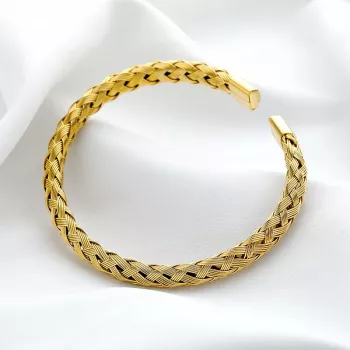
Stainless Steel Gold Woven Charm Bracelet: Everyday Shine with a Textured Twist
A woven-link charm bracelet adds dimension and movement without feeling bulky. With stainless steel at the core and a gold-tone finish, this style is designed for frequent wear—easy to dress up, simple to stack, and practical for day-to-day routines when cared for properly. If you like jewelry that looks detailed up close but still reads clean and classic from a distance, a woven bracelet is an easy upgrade from a basic chain. For more guidance, see Bracelet – Wikipedia.
What Makes a Woven Charm Bracelet Stand Out
Woven construction brings a braided, textured look that catches light from multiple angles, so the bracelet has a subtle “sparkle” effect even without stones. Unlike a stiff bangle, a woven bracelet typically has more flexibility and natural drape, which helps it sit comfortably on the wrist and move with you throughout the day. For further reading, see Pannellum.
Charm-ready styling is another big draw. You can keep it minimal with a single charm for a sleek look, or gradually build a more personal mix over time—birthdays, trips, milestones, or just symbols that fit your style. The gold-tone finish also plays well with warm metals and neutral outfits, making it an easy reach for everything from denim to dressier basics.
Material Benefits: Stainless Steel for Daily Wear
Stainless steel is valued for its durability and corrosion resistance compared with many fashion-jewelry base metals. It also has a smooth, dense surface that can help reduce the quick discoloration some plated alloys show with frequent wear. For an “everyday bracelet” rotation—commuting, office wear, errands, and casual outings—stainless steel is often a practical choice.
Comfort matters, too. Under normal wear, stainless steel pieces tend to keep their shape well, so the bracelet looks consistent over time rather than bending out of form. If you’re curious about how stainless steel is engineered for strength and corrosion resistance, Encyclopaedia Britannica offers a helpful overview of stainless steel.
Stainless Steel vs. Common Bracelet Metals (Quick Comparison)
| Feature | Stainless Steel | Sterling Silver | Brass/Alloy Fashion Metals |
|---|---|---|---|
| Corrosion resistance | High | Moderate (can tarnish) | Varies (often lower) |
| Maintenance | Low–moderate | Moderate–high (polishing) | Moderate (avoid water/sweat) |
| Everyday durability | High | Moderate (softer) | Varies |
| Skin sensitivity considerations | Varies by alloy; check for nickel sensitivity | Generally well-tolerated; can react to alloys | More variable; reactions more common |
Design Details to Look For in a Woven Charm Bracelet
Not all woven bracelets feel the same. A few details can make the difference between a piece that becomes a daily favorite and one that stays in the jewelry box.
- Weave density: Tighter weaving usually reads more refined and can feel smoother on the wrist, especially if you wear long sleeves often.
- Clasp security: Look for a closure that clicks firmly and sits flat. A secure clasp is especially important if you plan to add charms (extra weight increases movement and tugging).
- Charm spacing: Leave room so charms can move without crowding. Overcrowding can cause extra rubbing and wear where charms meet the bracelet.
- Edge finish: Well-finished end caps and connections help reduce snagging on knitwear, denim seams, and sweater cuffs.
Fit and Styling Ideas
A charm bracelet looks best when it has a little “drape”—not tight like a bangle, but not so loose that it flips constantly or slides far over the hand. If you’re building a charm collection, consider leaving a bit of extra room so the bracelet still sits comfortably once you add more pieces.
- For stacking: Pair a woven bracelet with a thin chain bracelet or a simple cuff so the woven texture stays the focal point.
- For a dressier look: Keep charms minimal (or skip them) and coordinate with small gold-tone hoops or studs.
- For casual outfits: Layer with a watch or add a single statement charm so the look feels intentional rather than busy.
- Color pairing: Gold-tone works especially well with earth tones, black, cream, denim, and warm reds.
Care Tips to Keep the Gold-Tone Finish Looking Fresh
Gold-tone finishes can stay bright longer with a few easy habits. Think of it as protecting the surface from chemicals, friction, and buildup.
If you have metal sensitivities, it’s also worth understanding common triggers. The American Academy of Dermatology Association has guidance on nickel allergy and how it can affect jewelry wear.
Gift-Worthy Touches and Personalization
Product Spotlight: Stainless Steel Gold Woven Charm Bracelet
If you’re shopping for a textured gold-tone bracelet that’s designed to keep up with frequent wear, the Stainless Steel Gold Woven Charm Bracelet offers a woven look with stainless steel construction. It works as a standalone piece when you want subtle shine, or as a base for building a charm collection over time.
| Detail | Value |
|---|---|
| Product | Stainless Steel Gold Woven Charm Bracelet |
| Price | 3.82 USD |
| Availability | In stock |
| Product page | View details |
Complete the Look: Easy Add-Ons
- Stylish Women’s Crossbody Sling Bag with Adjustable Strap for everyday errands and travel days when you want a neat, minimal silhouette.
- Waterproof One Shoulder Crossbody Chest Bag when you need a more sporty, weather-ready option that still looks put-together next to gold-tone hardware.
FAQ
Can a stainless steel charm bracelet be worn every day?
Yes for most routines; remove it for swimming or showering, and wipe it dry after wear to help preserve the finish and reduce buildup from lotions or sweat.
How should a charm bracelet fit on the wrist?
Aim for a comfortable drape with slight movement; it shouldn’t pinch or slide far over the hand. Leave a little extra room if you plan to add multiple charms later.
Is stainless steel jewelry safe for sensitive skin?
Many people tolerate it well, but sensitivity depends on the alloy and individual nickel sensitivity. If you notice irritation, limit wear and consider consulting guidance on contact allergies.








Leave a comment