High-Power Portable Air Pump: Fast Tire & Gear Inflation
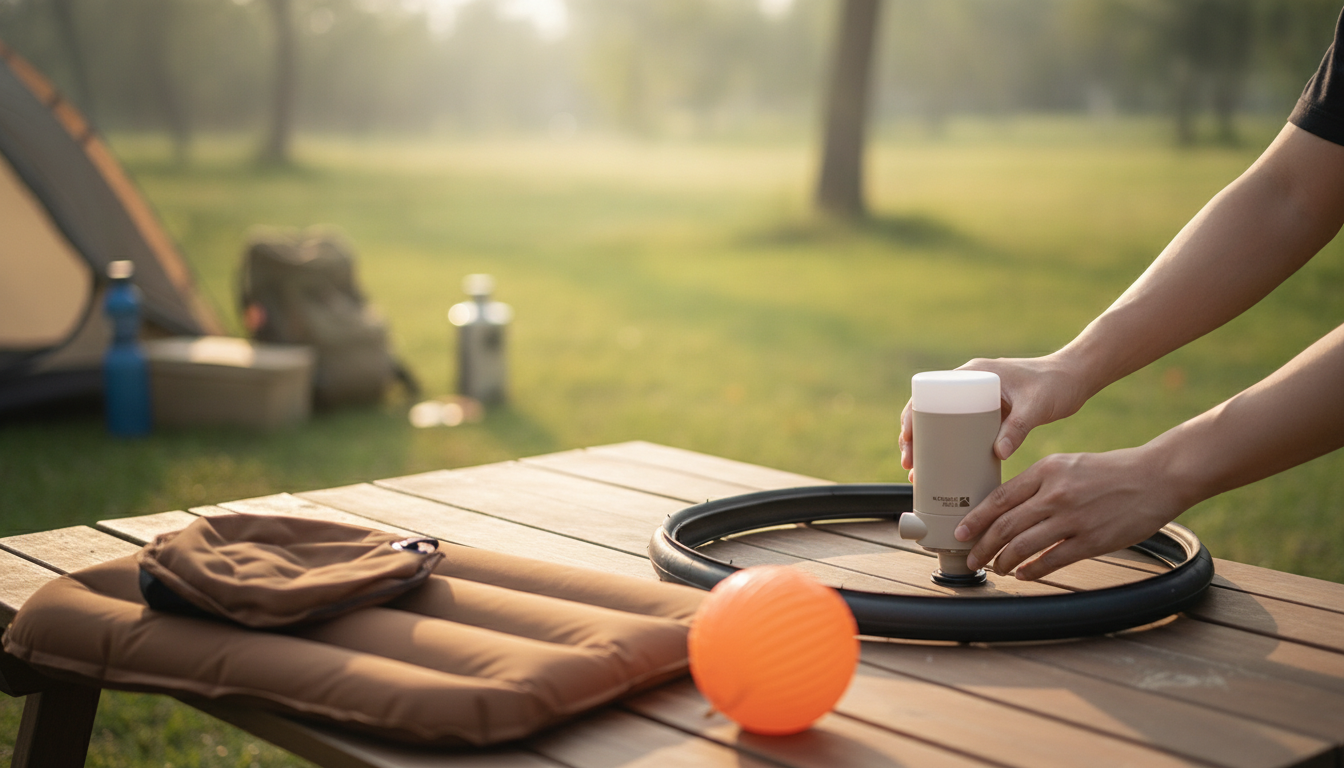
High-Power Portable Air Pump for Fast, Convenient Inflation Anywhere
A compact air pump with strong output can take the stress out of low tires, deflated sports gear, and unexpected roadside pressure drops. The difference shows up in everyday moments: less time crouched by a valve stem, fewer trips to a noisy gas-station compressor, and better control when you’re aiming for an exact PSI. Below are practical use cases, what “high-power” performance looks like day to day, and simple habits that help keep inflation accurate and safe.
When a high-output portable pump makes the biggest difference
Portable compressors are most valuable when “good enough” airflow or pressure won’t cut it. A higher-output model helps you maintain the right pressure more consistently, which supports handling, braking, and tire life.
- Topping off car tires before a commute or road trip to avoid underinflation and uneven wear
- Handling slow leaks or seasonal pressure drops without hunting for a gas-station compressor
- Inflating bike tires to a higher pressure range than many small inflators can comfortably reach
- Quickly filling balls, pool inflatables, and other gear for weekends, practices, and travel
- Emergency readiness for long drives, remote areas, and late-night flats
For tire basics and why pressure checks matter, consult authoritative guidance from NHTSA Tire Safety and AAA’s tire pressure recommendations.
Key performance traits to look for in a compact pump
“High-power” doesn’t just mean a big number on a box. It’s the combination of usable maximum pressure, steady airflow, and control that makes the tool easier to live with.
- Pressure capability: Enough maximum PSI for your highest-pressure item (often bicycle tires) while still handling car tires.
- Inflation speed: Strong airflow output reduces time spent per tire top-off and makes multi-tire checks less of a chore.
- Accuracy and control: A clear pressure display and easy adjustments help prevent overinflation—especially on small-volume items that jump in PSI quickly.
- Heat management: Sustained use should be comfortable and stable without frequent cooldowns, particularly if you’re topping off multiple tires.
- Noise level: Portable compressors vary widely; quieter operation matters for apartments, shared garages, and nighttime use.
Common inflation jobs and what matters most
| Item | What to prioritize | Helpful notes |
|---|---|---|
| Car tires | Stable pressure control + speed | Check the vehicle door-jamb label for the correct PSI (cold tires). |
| Bike tires | Higher PSI capability + precise display | Road bikes often need higher PSI; use short bursts to avoid overshooting. |
| Sports balls | Fine control + compatible needle | Small volume inflates fast; stop and confirm firmness early. |
| Inflatables | Airflow + correct nozzle | Large items favor faster airflow; avoid high-pressure settings. |
| Motorcycle/scooter tires | Accuracy + portability | Smaller tires respond quickly—inflate in small increments. |
Power options and portability: what fits real life
A portable pump is only “convenient” if it’s actually there when you need it. Power options, size, and accessories decide whether it lives in the trunk full-time or gets left behind.
- Rechargeable convenience: Useful for parking lots, campsites, and anywhere without an outlet. It also helps avoid hunting for a working 12V socket on a busy day.
- 12V vehicle support: Ideal for keeping a pump ready in the trunk for long trips—especially if multiple drivers share a car.
- Size and storage: Compact shapes fit gloveboxes or under-seat storage; a pouch/case makes it easier to keep adapters together.
- Accessory readiness: A practical kit includes common nozzles/adapters and a valve needle, so you’re not improvising at the field.
- Lighting and visibility: A built-in light can help confirm valve placement at night and reduce the chance of cross-threading or a loose connection.
Simple steps for more accurate inflation
Even a powerful pump performs best when paired with consistent habits. These steps reduce guesswork and help you hit the right pressure without constant rework.
- Start with cold tires: Measure before driving or after the vehicle sits for several hours. Warm tires read higher and can lead to underinflation later.
- Use the recommended pressure: Follow the vehicle’s placard (door jamb) rather than the tire sidewall maximum, which is not a target for daily driving.
- Attach firmly: A secure valve connection prevents slow leaks during filling and improves accuracy, especially when you’re topping off only a few PSI.
- Inflate in short bursts near the target: Re-check the reading to avoid overshooting—particularly with bike tires and small tires that respond quickly.
- Re-cap the valve: The cap helps keep dust and moisture out of the valve core, reducing the chance of a slow leak over time.
Safety and care for longer pump life
A practical option to keep in the car or gear bag
- High-Power Portable Air Pump for quick tire top-offs, sports gear, and general use at home or on the road
- Waterproof One Shoulder Crossbody Chest Bag to keep adapters, a small gauge, and emergency essentials organized and easy to grab
- Stylish Women’s Crossbody Sling Bag with Adjustable Strap as a compact carry option for a minimal inflation kit when traveling light
FAQ
How do the correct tire pressures get determined?
The correct PSI is set by the vehicle manufacturer and listed on the driver-side door jamb placard or in the owner’s manual. It differs from the tire sidewall maximum because the placard PSI is the recommended operating pressure for comfort, handling, load, and safety on that vehicle.
Can a portable pump inflate a completely flat tire?
Many portable pumps can inflate a tire from very low pressure, but the time required can vary. If the tire is damaged or won’t hold air, switch to a spare (if available) or use roadside assistance rather than repeatedly refilling.
Why does tire pressure drop when the weather turns cold?
Air pressure decreases as temperatures drop, so tires often read lower PSI in colder weather. Check pressure more frequently during seasonal changes and before long drives to keep inflation where it should be.







Leave a comment