Reinforced Waist Tool Bag for Fast, Easy Access
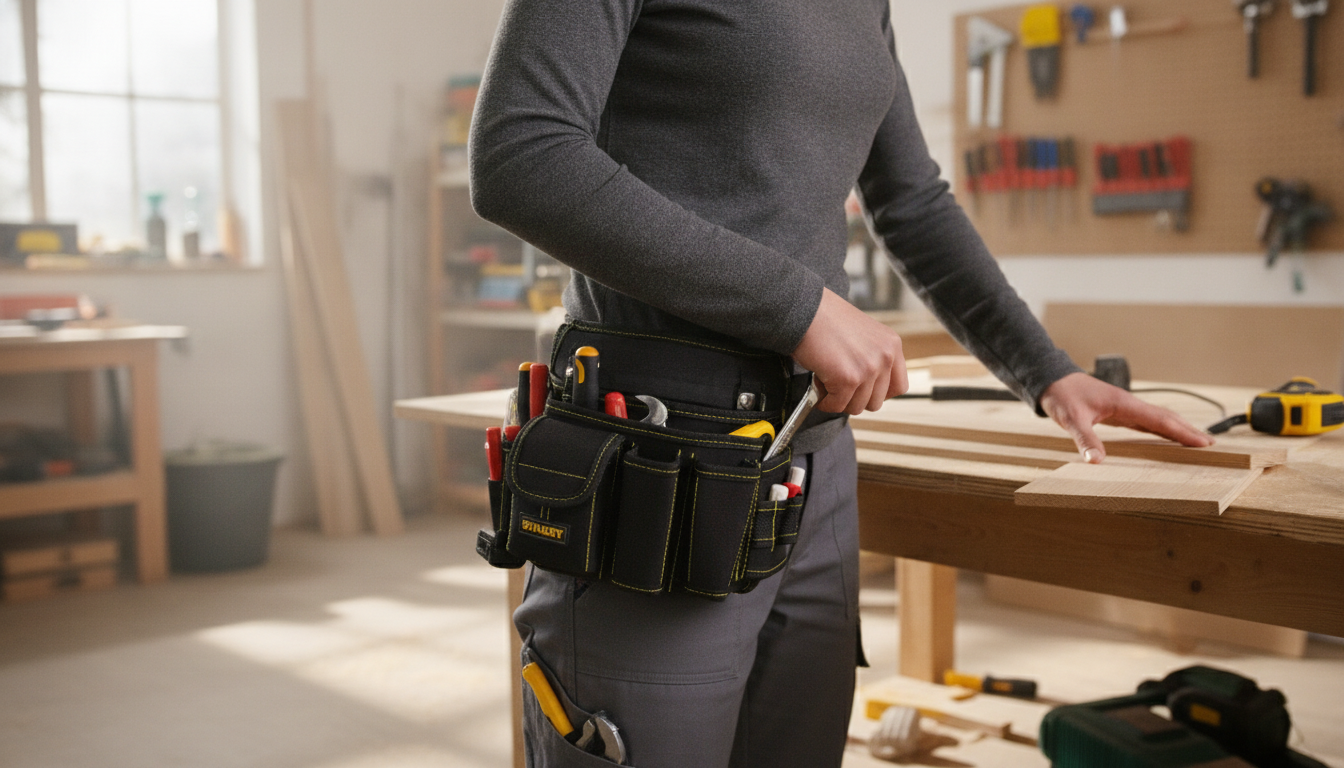
Multifunctional Waist Tool Bag with Reinforced Structure and Comfortable Grip
A waist tool bag keeps the tools and fasteners you reach for most right where you need them—at your side—so you can stay focused instead of constantly walking back to the toolbox. This multifunctional waist tool bag is designed around two everyday essentials: a reinforced structure that helps pockets stay open and stable, plus a comfortable grip for quick grab-and-go transitions between rooms, work zones, or tasks.
What This Waist Tool Bag Is Made to Do
Some tool storage is built for hauling everything; this style is built for keeping the essentials organized and instantly accessible. It’s a practical choice when you’re drilling pilot holes, assembling flat-pack furniture, installing hardware, or handling quick fixes where speed and order matter.
- Keeps essential tools, bits, and small hardware organized at the waist for faster task flow
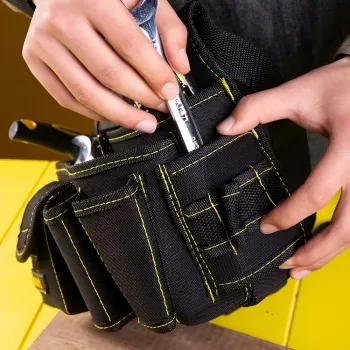
- Reinforced structure helps the bag hold its shape so pockets stay open and easy to access
- Comfortable grip supports quick pick-up, repositioning, or hanging between tasks
- Works for mixed tasks like drilling, assembling furniture, hanging fixtures, and light repairs
If you want a simple, purpose-built option for everyday carry, see the Multifunctional Waist Tool Bag with Reinforced Structure and Comfortable Grip.
Reinforced Structure: Why Shape Matters on the Job
A tool bag that slumps can slow you down. When pockets collapse, you end up using two hands to open them, digging for screws that have migrated to a corner, or fighting a pouch that twists as you move. A reinforced body helps the bag keep its working shape, so you can grab what you need with fewer pauses.
- A structured body helps prevent sagging when carrying small tools and supplies
- Pockets that hold their form reduce fumbling when grabbing screws, anchors, or a tape measure
- More stable load distribution can feel less “swingy” when moving, bending, or climbing a step stool
- Reinforcement helps the bag stay usable longer when repeatedly loaded and unloaded
Structured vs. Soft Tool Pouches
| Feature | Reinforced structure | Soft pouch |
|---|---|---|
| Pocket access | Stays open and easier to reach | Often collapses and needs two hands |
| Shape retention | Holds form under light-to-moderate load | Can sag or fold over |
| Organization | Items are easier to separate by pocket | Items can bunch together |
| Movement | Less shifting when walking | May swing or slump depending on load |
Comfortable Grip: Small Detail, Big Convenience
Even though a waist tool bag is designed to ride on a belt, the handle/grip is what makes the setup feel flexible in real life. When you’re moving from the garage to the backyard, from one room to another, or from the bench to the ladder, a comfortable grip makes short carries easier without unloading your pockets.
- A comfortable grip makes it easier to carry the bag off-belt for quick transitions between rooms or work zones
- Helps with short lifts when relocating tools without unloading pockets
- Useful for hanging the bag temporarily on a ladder hook, shelf edge, or workbench corner (where safe and appropriate)
- Reduces hand fatigue compared with thin or rigid handles during repeated grab-and-go use
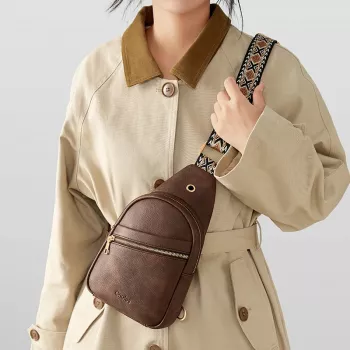
For tasks where you want hands-free carry but don’t need tool-pocket organization, a compact sling can be a helpful complement. The Waterproof One Shoulder Crossbody Chest Bag is an option for personal items and small accessories when you’re working outdoors or moving between locations.
Practical Ways to Set It Up for Faster Work
A waist tool bag works best when it’s loaded with intention. A few minutes of setup can save a lot of time once you’re mid-task and trying to keep momentum.
- Place the most-used tool (screwdriver/driver bits/utility knife) in the easiest-to-reach pocket
- Keep fasteners in separate pockets or small containers to avoid mixing sizes
- Balance weight left-to-right to reduce twisting or pulling on the belt line
- Reserve one pocket as a “return zone” so tools always go back to the same spot
- Do a quick end-of-task sweep: empty debris, check for loose screws, and reset for the next job
For comfort over longer sessions, it also helps to keep heavier items closer to your centerline and limit the carry to what you’ll actually use for that job. General ergonomics guidance from NIOSH and OSHA emphasizes reducing awkward movement and unnecessary strain—smart tool placement supports that goal.
Where It Fits Best: Common Use Cases
Care and Everyday Maintenance
Product Snapshot and Purchase Details
At-a-Glance Details
| Item | Details |
|---|---|
| Name | Multifunctional Waist Tool Bag with Reinforced Structure and Comfortable Grip |
| Price | 11.51 USD |
| Availability | In stock |
| Best for | Quick access to small tools and hardware during DIY and light maintenance tasks |
Shop the Multifunctional Waist Tool Bag with Reinforced Structure and Comfortable Grip while it’s in stock.
FAQ
What tools fit best in a waist tool bag like this?
Compact hand tools and small supplies work best—think a tape measure, screwdriver, utility knife, driver bits, a small wrench, and common fasteners. Keep the load light-to-moderate, balance the weight across pockets, and avoid overly heavy tools that can pull the belt line.
How do I keep the bag from feeling lopsided while working?
Distribute items evenly left-to-right and place heavier tools closer to your centerline so the bag doesn’t twist. Assign specific pockets to specific tools and remove rarely used items to keep the carry consistent.
How should a waist tool bag be cleaned and stored?
Empty the pockets after each use, brush out dust and debris, and spot-clean when needed. Let it dry fully before storing in a dry place, and keep exposed sharp edges covered to protect the pocket lining.







Leave a comment